Dyspraxia

112 products
Page
112 products
Page

Dyspraxia in Children: What Are the Signs to Recognize It?

Dyspraxia (or Developmental Coordination Disorder - DCD) is a disorder affecting motor skills, coordination, and spatial self-awareness. It is often noticeable through everyday clumsiness: the child tends to bump into things or knock objects over. To perform even simple tasks, children with dyspraxia must concentrate intensely on planning their movements.

How to Support a Child with Dyspraxia in Daily Life?

To improve coordination difficulties, healthcare professionals often base their rehabilitation protocols on three essential areas:
    Development of grasping and fine motor skills: To facilitate manipulation and make it more stable and precise, it is important to provide ergonomic tools that help children better hold and control objects between their fingers. The goal is to improve the child’s grip by manipulating items, contracting the fingers, and stimulating the hand’s sensory receptors. Gross motor skills and body awareness: To help the child better perceive their body in space and reduce collisions, motor skill courses and vestibular stimulation aids are useful. These support posture stabilization, spatial orientation, and distance assessment. Support for independence in daily activities: Using stable tableware (with handles, for example) or ergonomic school supplies can help bypass motor difficulties, allowing the child to focus on the activity itself.
At home or at school, alongside professional care, you can follow these recommendations to support your child with dyspraxia and help them make progress while respecting their pace and individual needs.

Wesco’s Selection for Children with Dyspraxia

At Wesco, we have selected compensation tools and rehabilitation games to reduce cognitive fatigue and help children improve accuracy and confidence in their movements. Our robust, ergonomic selection is suitable for both home and classroom use, and includes:
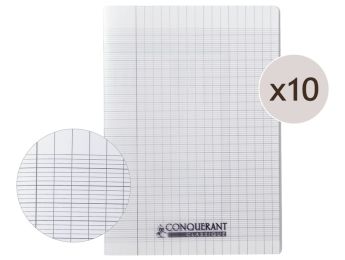
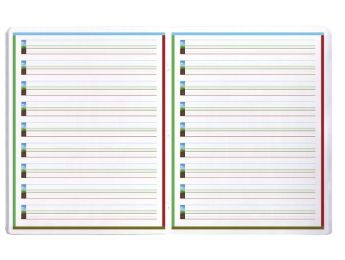
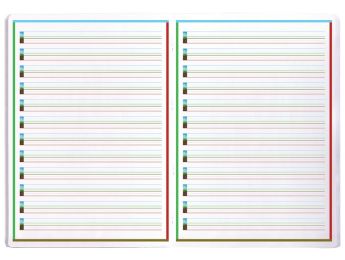
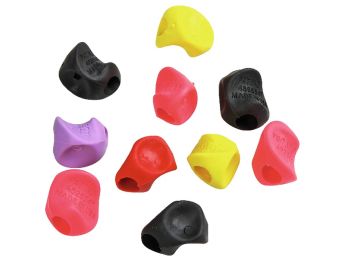
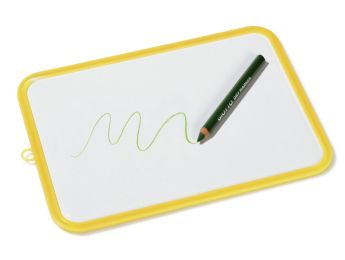
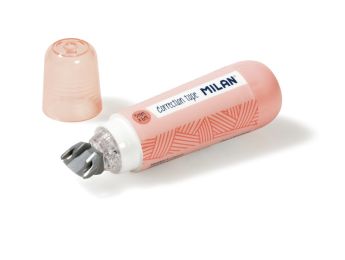
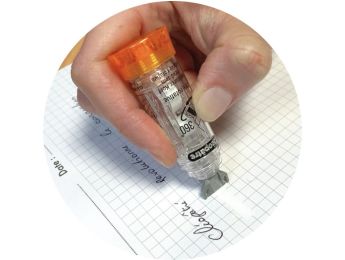
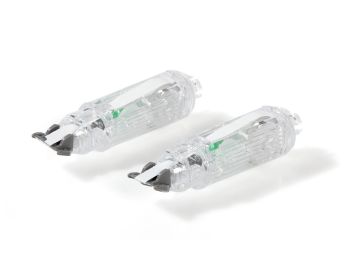
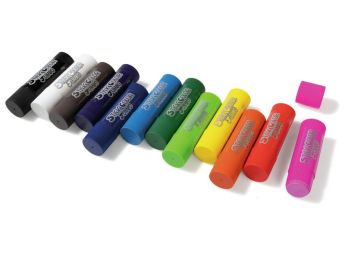
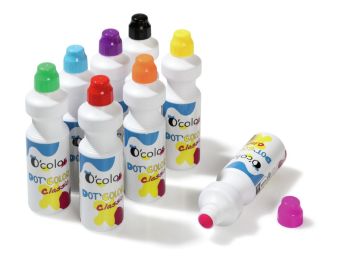
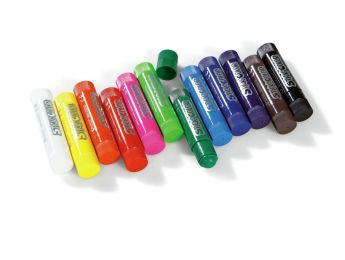
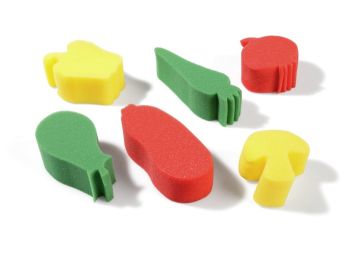
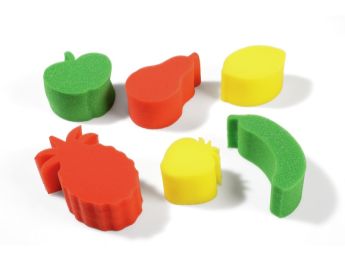
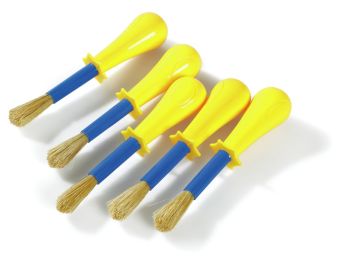
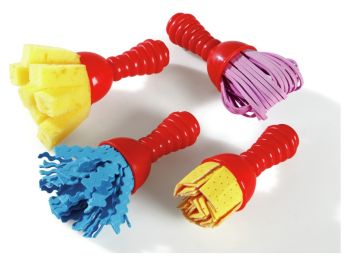
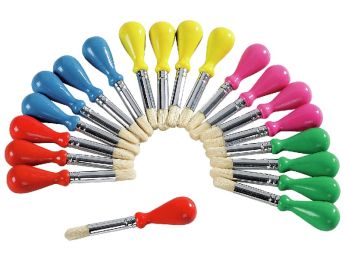
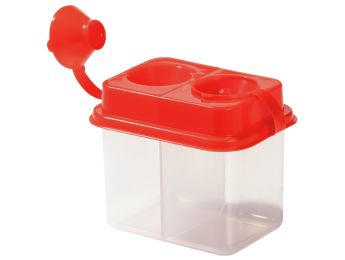
    Writing and drawing tools: large ergonomic pencils, brushes with finger supports, gouache markers, anti-tip cups (for painting activities), and finger guides to facilitate grip and control. Sensory materials: sensory clay, fine motor skill tweezers, proprioception balls, and tactile balls of different textures and weights to stimulate fine motor skills. Ergonomic school supplies: spring scissors, flexible rulers, ambidextrous or left-handed tools, and special writing notebooks for visually impaired children. Topology and spatial awareness games: abacuses, lacing and shape-association games, and geoboards to work on spatial orientation. Daily independence aids: ergonomic cups, tripod spout cups, and learning knives.